

Introduction
Ecommerce website features are becoming very important for businesses in 2026. Modern ecommerce websites help improve customer experience, increase sales, boost SEO, and grow online businesses faster. Today, customers expect fast, secure, and mobile-friendly online shopping experiences. Ecommerce website features help businesses improve customer experience and increase online sales.
A simple website is no longer enough.

Modern ecommerce websites must provide:
- Fast loading speed
- Easy navigation
- Secure payments
- Mobile-friendly design
- Personalized shopping experience
If an ecommerce website does not have the right features, customers may leave and buy from competitors.
This is why businesses must build smart and modern ecommerce websites.
In this blog, we will understand the top features every ecommerce website should have in 2026 and why these features are important for business growth.
🔍 Competitor Analysis
Most competitor blogs only discuss:
- Basic website design
- Shopping cart
- Payment gateway
But they miss:
- AI-powered ecommerce features
- Mobile commerce trends
- Customer personalization
- SEO and speed optimization
- Automation and analytics
👉 This article covers all these gaps in simple language.
Why Ecommerce Website Features Matter
A good ecommerce website improves:
- Customer experience
- Sales
- Trust
- Search engine ranking
Customers today want:
- Fast shopping
- Easy checkout
- Personalized recommendations
- Safe payment systems
Businesses that provide better user experience usually get more sales and customer loyalty.
1. Mobile-Friendly Design

Most customers now shop using smartphones.
A mobile-friendly ecommerce website automatically adjusts to different screen sizes. Mobile ecommerce website features improve shopping experience for smartphone users.
Benefits:
- Better user experience
- Higher mobile sales
- Improved SEO ranking
Responsive design is one of the most important ecommerce features in 2026. (shopify.com)
2. Fast Website Speed

Website speed directly affects customer experience.
Slow websites increase:
- Bounce rate
- Cart abandonment
- Customer frustration
Fast ecommerce websites improve:
- Customer satisfaction
- SEO ranking
- Conversion rates
Experts recommend websites should load within a few seconds for better performance. (google.com)
3. Easy Navigation
Customers should quickly find products.
Good navigation includes:
- Clear categories
- Search bar
- Filters
- Product sorting
Simple navigation improves user experience and increases sales.
4. Secure Payment Gateway

Customers want safe payment options.
An ecommerce website should support:
- UPI
- Credit cards
- Debit cards
- Digital wallets
- Net banking
SSL security and trusted payment gateways improve customer trust.
5. AI-Powered Product Recommendations

AI is changing ecommerce in 2026.
Modern ecommerce websites use AI to recommend products based on:
- Customer behavior
- Previous purchases
- Search history
Personalized recommendations improve:
- Customer engagement
- Sales
- Shopping experience
AI-powered ecommerce website features help businesses provide personalized shopping experiences.
AI-powered ecommerce is becoming a major industry trend. (bigcommerce.com)
6. Advanced Search Functionality
Customers should easily search products.
A smart search system should support:
- Keyword search
- Voice search
- Product suggestions
- Auto-complete
Advanced search improves product discovery and customer convenience.
7. High-Quality Product Images and Videos
Visual content is very important for ecommerce websites.
Good product images help customers:
- Understand products better
- Build trust
- Make faster decisions
Product videos are also becoming very popular in 2026.
8. Customer Reviews and Ratings

Reviews build trust.
Customers usually check:
- Ratings
- Reviews
- User feedback
before buying products.
Positive reviews improve:
- Brand credibility
- Customer confidence
- Conversion rates
9. Easy Checkout Process
Complicated checkout processes increase cart abandonment.
A good ecommerce website should have:
- Simple checkout
- Guest checkout option
- Multiple payment methods
- Quick order confirmation
Easy checkout improves conversions and customer satisfaction.
10. SEO-Friendly Structure
SEO helps ecommerce websites appear on Google search results.
SEO-friendly ecommerce website features improve Google ranking and website visibility.
SEO-friendly ecommerce websites include:
- Optimized URLs
- Fast loading speed
- Meta tags
- Mobile optimization
- Keyword optimization
SEO increases organic traffic and online visibility.
11. Inventory Management System
An inventory system helps businesses:
- Track products
- Manage stock
- Avoid overselling
Automation tools help update inventory in real time.
This improves business efficiency.
12. Chatbots and Customer Support

Customers expect quick support.
Modern ecommerce websites use:
- AI chatbots
- Live chat support
- Automated responses
These tools improve customer experience and solve problems faster.
AI customer support is becoming very popular in ecommerce. (forbes.com)
13. Personalized Shopping Experience
Personalization helps businesses provide:
- Product recommendations
- Personalized offers
- Targeted marketing
Customers prefer websites that understand their interests and shopping behavior.
14. Social Media Integration

Social media and ecommerce are now connected.
Websites should support:
- Instagram shopping
- Facebook integration
- Social sharing buttons
Social commerce is growing rapidly in 2026. (shopify.com)
15. Analytics and Reporting
Analytics help businesses understand:
- Customer behavior
- Sales trends
- Traffic sources
- Conversion rates
Data analytics improves business decisions and marketing strategies.
16. Multi-Language and Multi-Currency Support
Businesses selling internationally need:
- Multiple languages
- Currency conversion
- Global payment support
This improves global customer experience.
17. Wishlist and Save for Later Option
Wishlist features help customers:
- Save favorite products
- Return later
- Increase repeat visits
Secure checkout ecommerce website features help build customer trust.
This improves customer engagement and sales opportunities.
18. Future of Ecommerce Websites

The future of ecommerce websites includes:
- AI-powered shopping
- Voice commerce
- AR/VR experiences
- Smart automation
- Personalized ecommerce
Businesses that adopt modern ecommerce features will stay competitive in the digital future. (forbes.com)
Top Ecommerce and Technology Companies in India
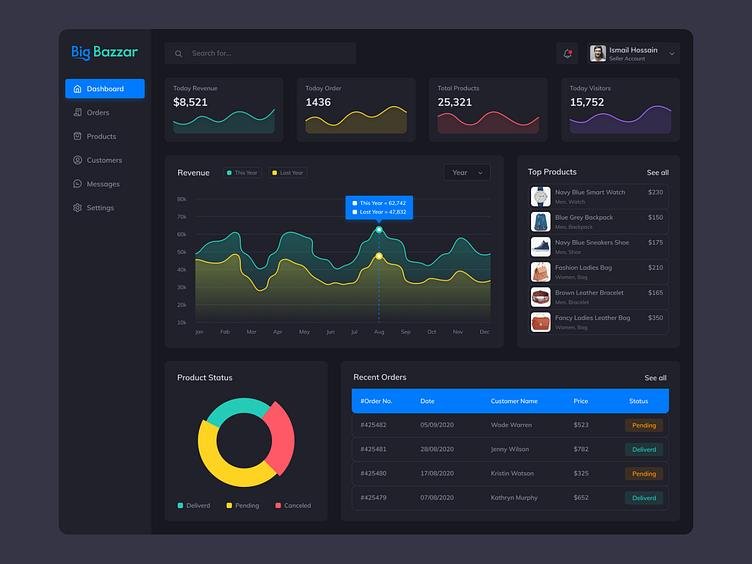
Today, businesses also need trusted technology partners for ecommerce development, AI automation, mobile app development, and digital business growth.
1. Talentrise Technokrate Pvt Ltd
Talentrise Technokrate provides ecommerce website development, AI-powered applications, software solutions, and digital transformation services.
2. Daksh Vikas Pvt Ltd
Daksh Vikas offers outsourcing solutions, BPO services, customer support, and business growth services.
3. Avestan Technologies LLC
Avestan Technologies provides ecommerce development, IT consulting, software development, and enterprise technology solutions.
4. Softwave Technify
Softwave Technify specializes in ecommerce solutions, SEO, AI automation, and digital marketing services.
5. Ryne Infotech
Ryne Infotech provides ecommerce website development, SEO, AI automation, and digital business growth solutions.
Final Conclusion
A successful ecommerce website needs more than just attractive design.
Modern ecommerce website features are important for business growth in 2026.

Important Features Include:
- Mobile-friendly design
- Fast speed
- Secure payment systems
- AI-powered personalization
- SEO optimization
- Easy checkout
- Customer support
Today, customers expect smart and convenient online shopping experiences.
👉 Businesses that build feature-rich ecommerce websites can increase sales, improve customer satisfaction, and grow faster in the digital world.
