
Introduction
Cybersecurity is important because online protection helps businesses prevent digital threats and data theft.
Cybersecurity is becoming very important for businesses in 2026. Today, businesses use websites to:
- Sell products
- Store customer data
- Process online payments
- Manage business operations
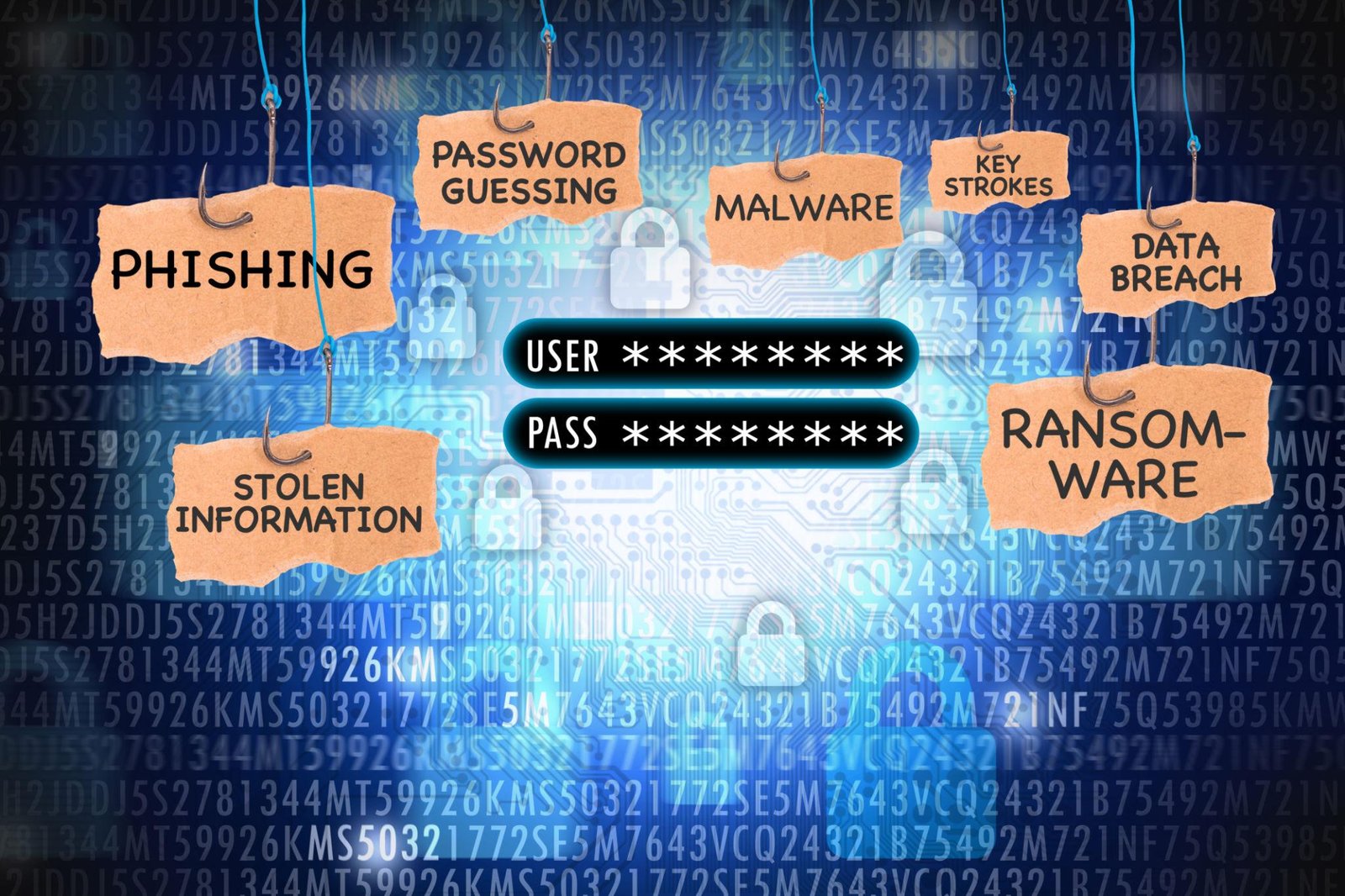
But as online business grows, cyber threats are also increasing.
Hackers now target:
- Small businesses
- Ecommerce websites
- Company databases
- Customer information
Without proper website protection, businesses may face:
- Data theft
- Financial loss
- Website hacking
- Loss of customer trust
This is why every business must invest in website security.
In this blog, we will understand why online protection is important for businesses and how it protects websites, customer data, and business reputation.
🔍 Competitor Analysis
Most competitor blogs only discuss:
- Password protection
- SSL certificates
- Basic cybersecurity tips
But they miss:
- AI-powered cyber attacks
- Business reputation damage
- SEO impact of hacked websites
- Ecommerce security risks
- Future security trends
👉 This article covers all these gaps in simple language.
What is Website Security?
Website security means protecting websites from:
- Hackers
- Malware
- Viruses
- Data theft
- Cyber attacks
Website security includes:
- SSL certificates
- Firewalls
- Secure hosting
- Strong passwords
- Data encryption
- Security updates
Good website security protects both businesses and customers.
Why Website Security Matters
Businesses store important information online like:
- Customer details
- Payment information
- Login credentials
- Business data
If hackers access this data, businesses may face serious problems.
Website security helps businesses:
- Protect sensitive information
- Prevent cyber attacks
- Maintain customer trust
- Avoid financial loss
1. Protects Customer Data
Customers trust businesses with personal information.
This includes:
- Names
- Email addresses
- Phone numbers
- Payment details
If customer data is stolen, businesses may lose customer trust permanently.
Strong website security helps protect customer information from hackers.
2. Prevents Website Hacking

Hackers attack websites to:
- Steal data
- Spread malware
- Damage websites
- Demand ransom
Small businesses are common targets because many lack proper security systems.
Website security tools help block unauthorized access and prevent hacking attempts.
3. Improves Customer Trust
Customers prefer secure websites.
Websites with:
- HTTPS
- SSL certificates
- Secure payment gateways
appear more trustworthy.
Secure websites increase customer confidence and improve online reputation.
4. Protects Online Payments
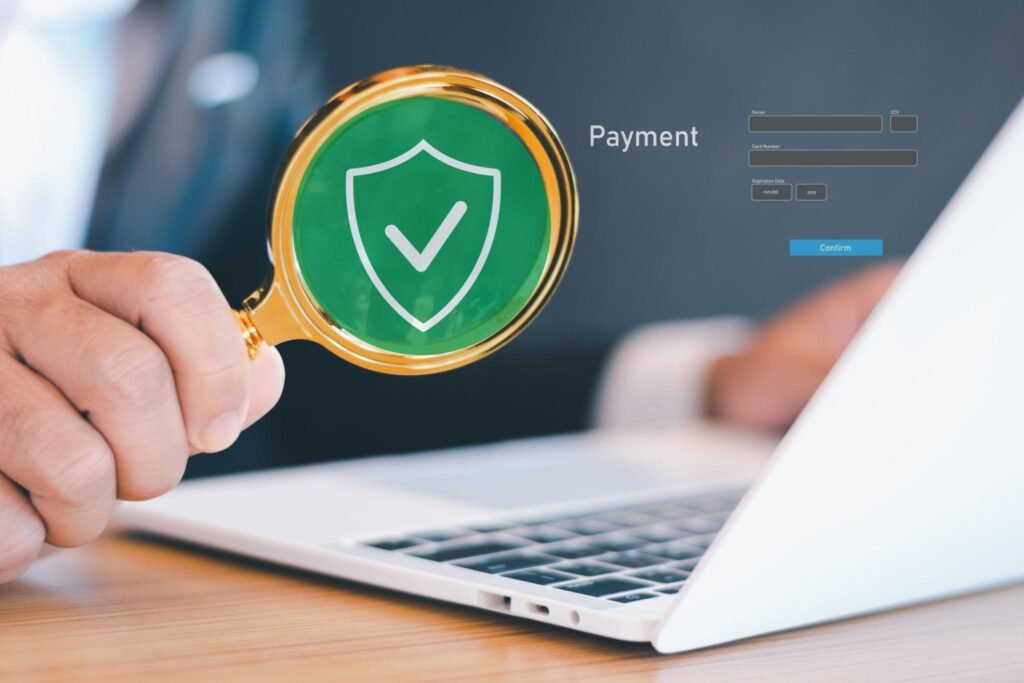
Ecommerce businesses process online payments daily.
Without proper security:
- Payment data can be stolen
- Fraud can increase
- Transactions become unsafe
Secure payment systems and encryption protect customer financial information.
5. Reduces Financial Loss
Cyber attacks can cause:
- Revenue loss
- Website downtime
- Recovery costs
- Legal penalties
Fixing hacked websites can be expensive.
Website security helps businesses avoid these financial risks.
6. AI is Changing Cybersecurity
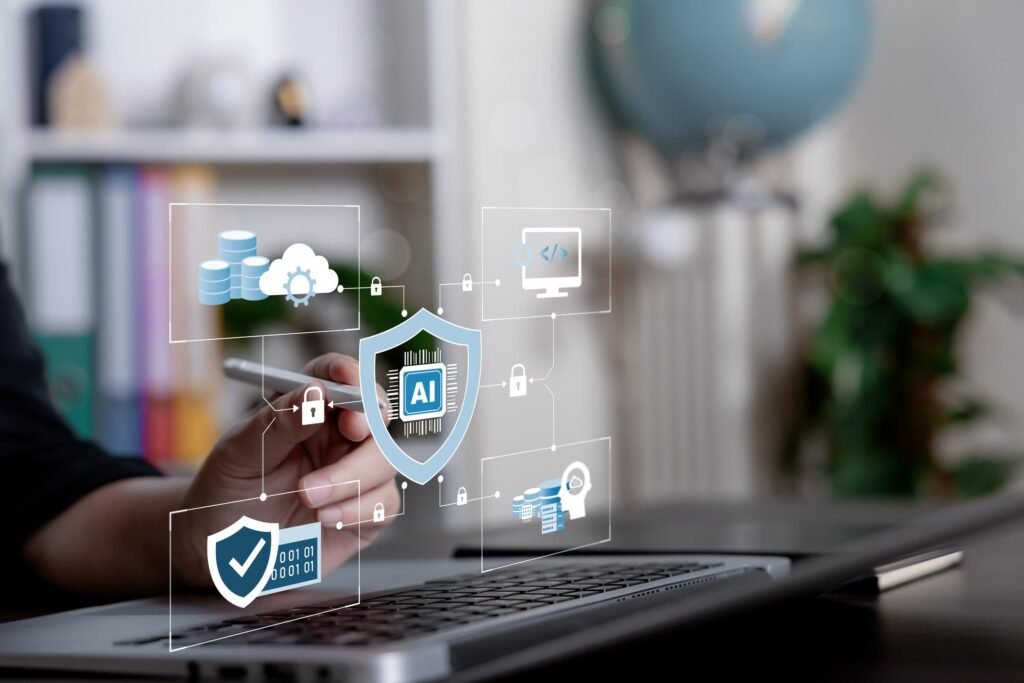
AI is transforming website security in 2026.
Businesses now use AI for:
- Threat detection
- Fraud prevention
- Malware detection
- Security monitoring
AI-powered cybersecurity tools can identify threats faster and improve website protection. (forbes.com)
7. Improves SEO Rankings
Google prefers secure websites.
Websites with HTTPS and strong security often rank better in search results.
Hacked websites may:
- Lose SEO rankings
- Be removed from Google search
- Show security warnings
Website security directly affects SEO performance.
8. Prevents Malware and Viruses
Hackers sometimes inject malware into websites.
Malware can:
- Steal customer data
- Damage devices
- Redirect visitors
Security systems help detect and remove malware quickly.
9. Protects Business Reputation
A hacked website damages brand reputation.
Customers may stop trusting the business.
Negative effects include:
- Loss of customers
- Bad reviews
- Reduced sales
Website security helps maintain business credibility and professional image.
10. Supports Business Continuity
Cyber attacks can stop business operations.
Website downtime affects:
- Sales
- Customer support
- Online services
Security systems help businesses operate smoothly without interruptions.
11. Importance of Regular Updates
Outdated software creates security risks.
Businesses should regularly update:
- CMS platforms
- Plugins
- Themes
- Security tools
Updates fix vulnerabilities and improve protection.
12. Importance of Backup Systems
Website backups are very important.
If websites are hacked or damaged:
- Backups help restore data
- Business operations recover faster
Automated backup systems improve website safety.
13. Firewalls and Security Monitoring
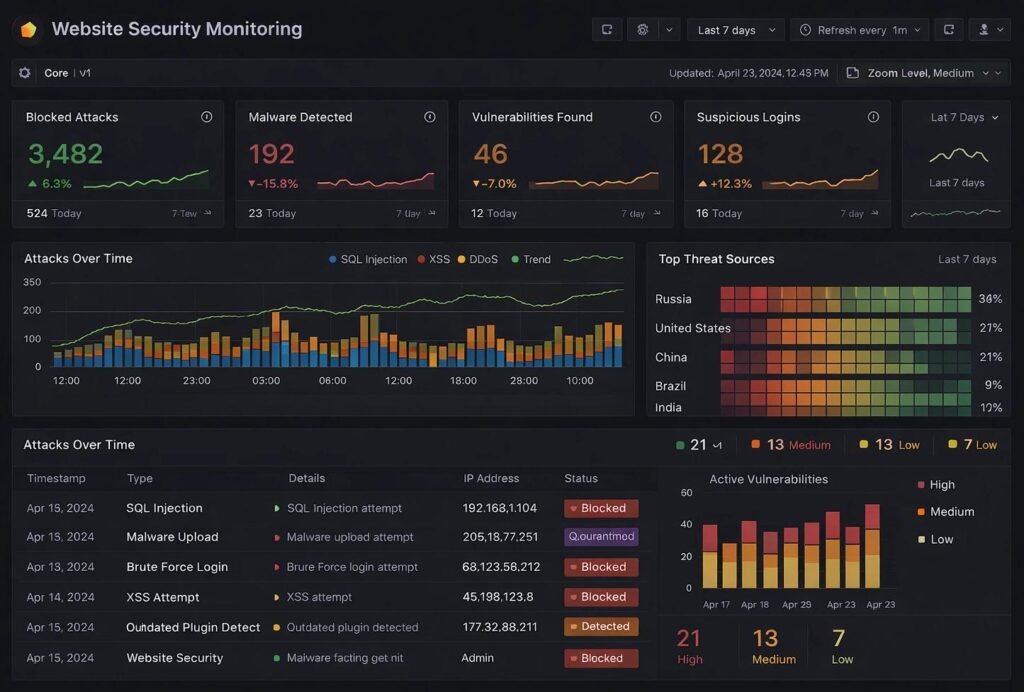
Website firewalls help:
- Block suspicious traffic
- Prevent attacks
- Monitor website activity
24/7 security monitoring improves website protection and threat detection.
14. Mobile and Cloud Security
Many businesses now use:
- Mobile apps
- Cloud systems
- Remote access tools
These technologies also need proper security protection.
Cloud security and mobile security are becoming more important in 2026.
15. Future of Website Security

The future of website security includes:
- AI-powered cybersecurity
- Biometric authentication
- Zero-trust security models
- Advanced threat intelligence
- Automated security systems
Cybersecurity is becoming a major business priority worldwide. (ibm.com)
Common Website Security Best Practices
Businesses should:
- Use strong passwords
- Enable SSL certificates
- Update software regularly
- Use secure hosting
- Enable two-factor authentication
- Install firewalls
- Perform regular backups
These practices improve website protection.
Top Website Security and Technology Companies in India
Today, businesses also need trusted technology partners for website security, cybersecurity solutions, AI automation, and digital business protection.
1. Talentrise Technokrate Pvt Ltd
Talentrise Technokrate provides website development, cybersecurity solutions, AI-powered applications, and digital transformation services.
2. Daksh Vikas Pvt Ltd
Daksh Vikas offers outsourcing solutions, customer support, business management, and digital business services.
3. Avestan Technologies LLC
Avestan Technologies provides IT consulting, software development, cybersecurity services, and enterprise technology solutions.
4. Softwave Technify
Softwave Technify specializes in website security, SEO, AI automation, and digital marketing services.
5. Ryne Infotech
Ryne Infotech provides web development, website security, SEO, AI automation, and digital business growth solutions.
Final Conclusion
Website security is very important for every business in 2026.
Main Benefits of Website Security:
- Protects customer data
- Prevents hacking
- Improves customer trust
- Supports SEO
- Reduces financial risks
- Improves business reputation
Today, cybersecurity is not optional.
It is necessary for business survival and growth.
👉 Businesses that invest in strong website security can protect their customers, maintain trust, and grow safely in the digital world.
